Why Small Businesses on West Pearland Struggle More Compared to the East Pearland
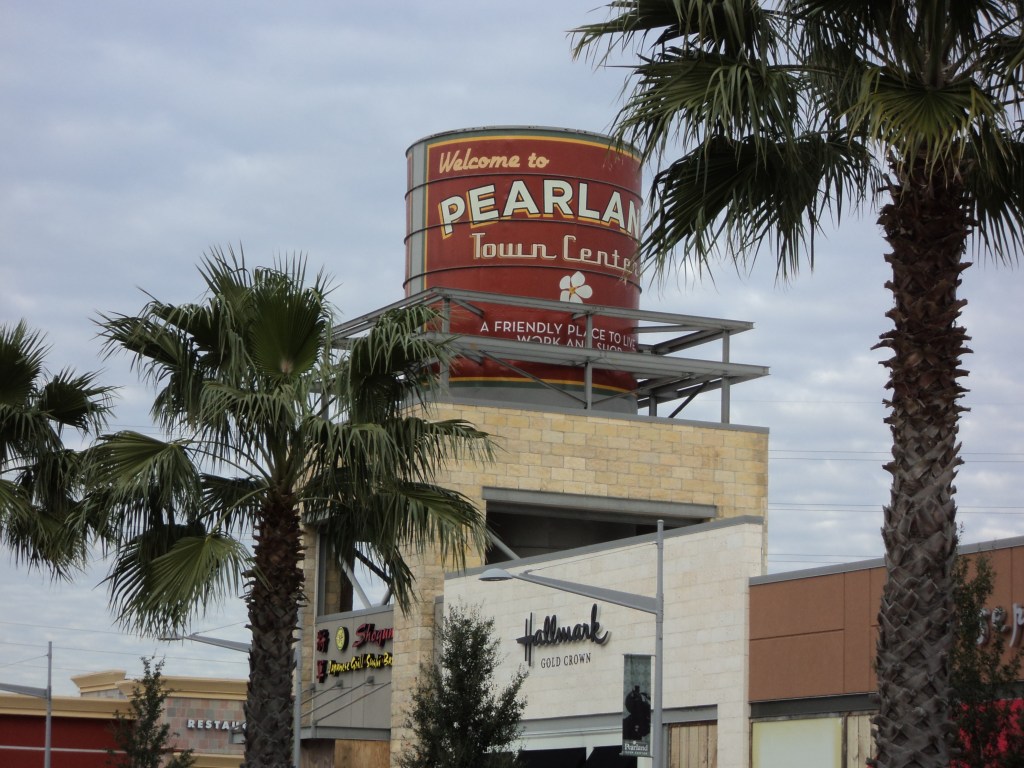
Pearland, Texas Street View — Photo by Patrick Feller, licensed under CC BY 2.0.
When you grow up in Pearland, you learn the divide without anyone ever explaining it. East Pearland feels busy and always expanding with new restaurants, chains, small boutiques. While the West side of Pearland, feels quieter and less consistent. A business will launch with genuine excitement, only to close months later.
This blog investigates the question:
Why do small businesses on the West Side of Pearland struggle more than those on the East Side, and how do business owners respond to the risk?
Using observation, mapping the locations of closed businesses, and surveying Pearland residents, I have begun to understand the factors that contribute to this discrepancy and how they affect the daily lives of Pearland residents when shopping, visiting their neighborhood and especially when dining out.
1. Traffic, Momentum, and That “Busy” Feeling
One of the most obvious differences between East Pearland and West Pearland is the perceived overall activity level of the two locations. To understand how this difference manifests itself in actual timeframes, I chose a simple example of something that most Pearland residents experience during lunch: eating at the same restaurant chain.On Saturday, November 29, 2025, my brother and I each went to a Whataburger:
East Pearland: (Brother) 3040 Silverlake Village Dr.
West Pearland: (Myself) 2406 S Main St.
We ordered the exact same thing: Patty Melt Meal plus 2 extra ranch sauces.
There was nothing about either location that appeared drastically cleaner than the other, or that seemed that either location kept up with the cleaning of the restaurant. Both locations were clean, employees were working quickly and efficiently, and customers at both locations on Saturday were typically families of students grabbing lunch.
However, the operations of each restaurant did function differently.
What we recorded:
East Pearland: approximately 8 minutes
West Pearland: approximately 15 minutes
Despite the fact that East Pearland had a significantly higher volume of customers than West Pearland, the line at East Pearland was moving at a more rapid pace than the West Pearland line and all of the orders placed at East Pearland came out as requested. Conversely, the wait time for my order at West Pearland was nearly twice as long, and I did not receive 2 ranch sauces that I ordered.
This difference does not decisively indicate that the West Pearland location provides a lower-quality service than the East Pearland location; it exemplifies something that residents have been telling all along:
When there is more customer traffic at an establishment, the process by which people place their orders and the amount of time it takes for the order to be filled will not have a direct correlation.
The situation in West Pearland illustrates a much larger theme of momentum. When an establishment has a high volume of customer traffic, it is much easier to improve and track business activity and customer satisfaction. East Pearland has that advantage, while West Pearland typically does not.
2. Resident Perceptions and the Pearland “Reputation Gap”
To research the “Resident Perception” side of this divide, I created a short survey and distributed it to the residents of Pearland. Even though the sample of surveys distributed was small, the results exhibited trends that corresponded to the types of experiences that people describe in their daily lives.The survey results show that many residents perceive the difference between West Pearland and East Pearland services or resident experiences as significant.
A significant number of survey respondents (78%) indicated they would choose to establish a business in East Pearland if they had a personal residence located close to East Pearland, rather than West Pearland.
Some of the primary reasons for avoiding West Pearland for business are:
- Lower volume of traffic
- Unpredictable sales/customer demand
- Decreased visibility
- A perception of West Pearland having a higher volume of businesses that go out of business shortly after they open.
While the statistics support the statements about the differences in the levels of volume, the information contained in the opinions of residents most likely contributes to the understanding of the reasons for the lack of businesses on the West Side.
In other words, the perceptions reflect on the behaviors and, as such, create the conditions for real-world outcomes for the West Side.
The Reputation Gap
One resident captured the dynamic perfectly when he said, “If I go to a store to buy something on the West Side, especially if it’s a small business, it might not be there next week.
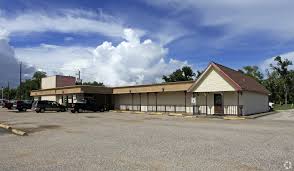
S. Main St., Pearland — CC BY 2.0
This uncertainty about the West Side environment is part of the customer experience. Therefore, it would be reasonable to conclude many people may not be interested in making that investment and therefore it is possible many businesses will not survive.
3. What Observations Reveal About the West Side “Struggle Pattern”
The section of the Broadway corridor running north to south from Main Street and extending out of the older shopping centers nearest to the intersection of Hwy 518 is a main street segment that has undergone significant changes in the past few months. Here are a few things that may be indicative of the current state of retail in West Pearland.
A shorter life span of storefronts has been one of the most noticeable signs on the West side of the corridor. For example:
- Signs still bearing the name of the old business
- A new business replacing the logo of a former business that was in operation only a year earlier.
- Small shops that are not widely known about by residents.
- Renovation/Design/remodeling of locations does not guarantee that the entity will continue to last long enough to build a regular following.
Addtionally many of the larger retailers located on the East side of the city, including H-E-B, Target, and Costco, provide “anchors” for the majority of the plazas located in the vicinity. A majority of these locations cluster their restaurants together in large plazas which generates an “automatic” traffic flow into and through the plaza.

Pearland H-E-B Exterior — CC BY-SA 4.0
Unfortunately, due to the lack of large-size businesses to serve as anchors in the West, smaller businesses must generate a consistent flow of traffic on their own, which is extremely difficult.
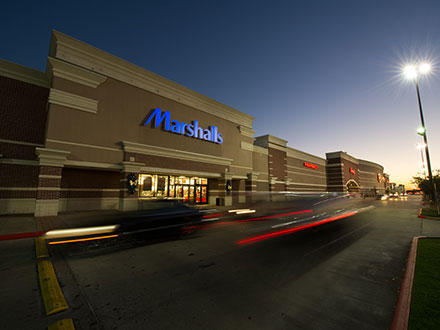
Silverlake Village, Pearland — CC BY-SA 3.0
Compared to the East side, where the roads are much wider and much more heavily trafficked, the West side roads are comparatively quiet and stretched out. With limited accessibility to major roadways, business develop the potential to blend into the background, as their signage and/or location is limited. Many people underestimate the importance of visibility as it pertains to generating traffic or attracting customers. If you don’t know about a business, how can you go out of your way to visit it?
4. Survey Results: What Residents Say West-Side Businesses Need
The survey conducted was another way to gauge what residents believe would be beneficial for the growth and sustainment of West-side businesses.The results from the West Pearland survey revealed:
- Increased consistency within business services.
- Expanded variety of businesses to choose from.
- A greater variety of more popular/new trending locations to choose from.
- Improved aspects of the community that come together, such as improved lighting, improved signage, improved overall safety, etc.
- An increase in the number of community organized events.
While a few individuals stated that they enjoy visiting some of the West-Side local businesses (coffee shops, locally owned Mexican restaurants, small fitness centers), they perceived the overall experience to be unpredictable and not as well defined as the East Pearland business area.
This dynamic presents an interesting situation for West Pearland businesses, as they are required to provide greater proof of accomplishment, compared to the automatic success that East Pearland businesses have achieved through saturation of the market.
5. What Helps West-Side Businesses Survive
Through the review of the observations collected and the survey responses combined, it was evident that the successful businesses on the West side possess the following three characteristics:
1. A strong connection to the community. Business owners who maintain strong ties to the community build their business on regular customers who support their business. They develop relationships with the customer base, which creates long-term loyalty and enables them to continue operating even during times of slower foot traffic.
2. A specific niche or unique offering. Businesses that are perceived as generic or uninteresting struggle to maintain a customer base. West side small businesses that have successfully operated for an extended period of time establish a unique identity within their community due to the unique menu offerings, personalized service delivery, or overall style of the business compared to any businesses located within the East Pearland business district.
3. Local ownership. Business owners who have been a part of the Pearland community for an extended period of time and who have deep-rooted family values tend to operate successful family-owned restaurants and retail shops. When the business owner shares community roots with the customers, the level of support that the community provides to that business increases.
A statement made by a survey respondent nearly perfectly captured this sentiment: “On the East Side, customers are drawn to the convenience. On the West Side, customers feel a personal commitment and will use their own resources to get there.”
This one major difference, the level of commitment to the business vs. the convenience of visiting a business may be the more compelling reason that West Side businesses persist and thrive when all indications are against them.
Conclusion: Two Sides, Two Realities
The East Pearland region has continued to experience a strong sense of momentum in terms of growth, with ongoing expansion and continual access to new customers. Incontrast, West Pearland has a greater level of risk associated with sustained growth, fewer guarantees that growth will continue or increase in the future, and relatively slower foot traffic patterns, but also offers customers strong loyalty, unique identity, and a strong sense of connection to the community. In addition to the environment surrounding a business, businesses on the West side of Pearland will also have to contend with poor visibility, little or no reputation presence, the existence of “anchor” stores, and the ability to control the traffic flow patterns of potential customers using them.
Evidence from this process has shown that the division between two sides of Pearland can be perceived as not only physical, but also psychological—this perception demonstrates the ways in which consumers’ perceptions of the East side of Pearland being superior, the consumer will buy from the East side and the further that dynamic continues to repeat itself, the deeper the division becomes. However, the businesses on the West side of Pearland must work harder than those on the East side to achieve equivalent level of recognition, yet the businesses that are able to establish that level of success become significant contributors to the identity of Pearland. West Side businesses are supported both intentionally and not simply due to customer habits.
It is important to recognize that a community’s environment plays a significant role in determining the opportunities available to its residents and the overall perception of a community strengthens or weakens the opportunities available to an entire city. The continuing growth of Pearland requires city planners and residents to be aware of these disparities in order to produce a future in which small businesses are able to operate and thrive in locations and areas of both East and West Pearland equally.
 Two Sides of the Same City